Canada
 USA
USA Japan
Japan

From Barangay Courts to the Hinterlands: How Basketball is Building Disciples in the Philippines
What started as a childhood dream is now transforming lives across remote corners of the Philippines.
A local pastor, once just a kid playing basketball with his dad and uncle, has now become a spiritual coach to dozens of youth—using basketball not only as a sport, but as a platform for discipleship. He calls it “ankle cut”—a nickname for his on-court moves—but also a metaphor for how this ministry breaks through barriers in young hearts.
This isn’t just basketball training. Every practice includes prayer, gospel-sharing, and group discussions that explore what it means to follow Jesus. The young athletes come to learn how to dribble, pass, and shoot—but they leave learning about character, kindness, and calling.
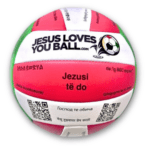
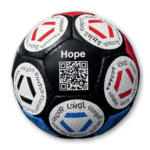
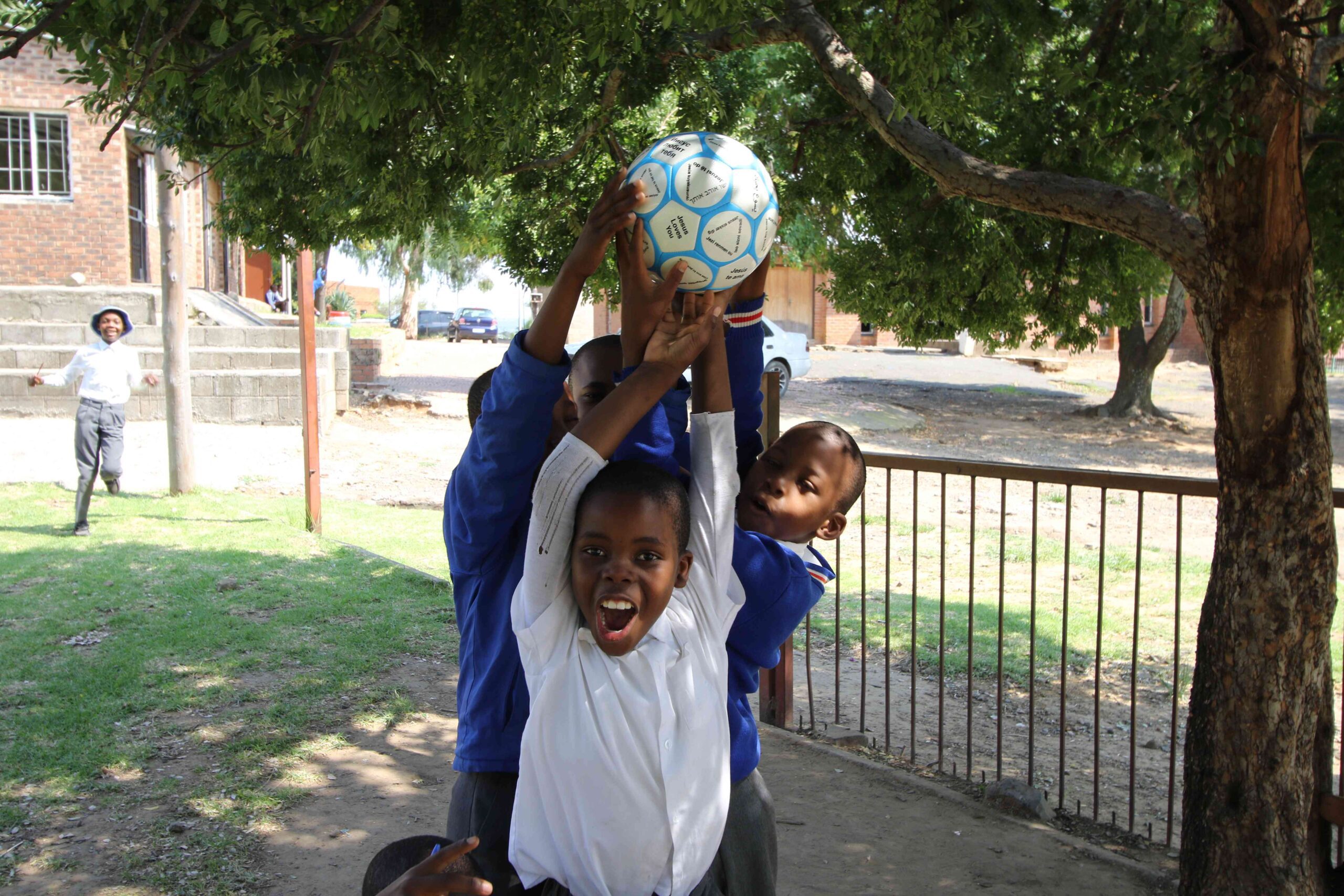
At the center of it all? The Jesus Loves You Ball.
“The ball is such a powerful tool,” the pastor says. “It has four simple symbols that tell the story of the Gospel, and kids grasp it so quickly. They’re curious at first—asking what the heart, X, cross, and question mark mean. But then you see their eyes light up. The heart means ‘God loves you.’ The X means ‘Sin separates us.’ The cross means ‘Jesus died for you.’ And the question mark? ‘Will you choose to follow Him?’”
In a community where foul language used to be the norm on the court, something is shifting. Kids are still shouting—but now it's encouragement instead of curses. They're becoming more respectful at home, and even their parents are taking notice. “Some families have started attending church. Others are opening their hearts to Jesus—all because of a basketball.”
But the ministry hasn’t stayed in one neighborhood.
Believing that no place is too far when you're following Jesus' call to "go to the nations," the pastor began traveling to the hinterlands—rural and hard-to-reach villages like Halayan and Mampayam. In partnership with local government leaders, his team brought Jesus Loves You Balls and donated basketball goals to small towns where kids have few resources and even fewer role models.
“We trained junior coaches in each community,” he shares. “So even if I can’t be there, the gospel keeps spreading through the ball.”
Every court becomes a classroom. Every game becomes a gospel opportunity. And every kid is seen not just as a player—but as a future changemaker, leader, and multiplying disciple.
This is the power of sport. This is the power of Jesus. And this is the power of one ball in the hands of someone willing to go.